Magento 2 Development Reality Check
Why mid-sized retailers, multi-category stores, and scaling online businesses are replacing Magento 2 with Shopify or WooCommerce for faster development and simpler operations.


Built For Operationally Complex Businesses Across Industries
Magento 2 Development Was Designed For Complexity, Not Speed
Magento 2 development has traditionally served industries that required deep operational control rather than rapid storefront experimentation. Manufacturing companies, B2B distributors, wholesale businesses, and automotive parts catalogs adopted Magento to manage complex pricing models, large SKU volumes, ERP driven workflows, and account based access.
While Magento 2 development enables highly customized ecommerce ecosystems through bespoke themes, extensions, and integrations, this flexibility comes with increased development dependency. For many businesses, especially in manufacturing and wholesale, every change to merchandising, promotions, or customer experience still requires engineering involvement.
This growing reliance on development teams is why many mid-sized and scaling businesses now question whether Magento 2 development is still worth the investment, and instead evaluate faster, marketing-led platforms like Shopify or WooCommerce.
Marketing Execution Inside a Development-Heavy Platform
Magento 2 offers extensive promotional capabilities, but most marketing actions remain tightly coupled with development workflows, slowing execution for fast-moving teams.
-
Merchandising Built for Large Catalog Operations
Manufacturing suppliers, wholesale distributors, and automotive parts businesses rely on Magento to manage thousands of SKUs, bundled products, and complex catalog structures. However, merchandising changes often require technical configuration rather than quick in-platform adjustments.
-
Pricing Logic Tied to Rules and Engineering Support
Tier pricing, customer-group discounts, and contract-based pricing suit B2B and wholesale use cases, but updating offers, stock visibility, or promotions typically involves developer intervention rather than marketer-led control.
-
Campaign Distribution With Operational Overhead
Coupon creation and distribution across email, offline channels, and partner networks are powerful, yet tracking, modifying, and scaling campaigns often depends on custom development and system integrations.


Product Catalog Management Built for Operational Complexity
Magento 2 was designed to handle deeply structured catalogs, making it a common choice for businesses managing large inventories and complex product relationships.
-
Inventory Controls for High-SKU Environments
Manufacturing brands, industrial suppliers, and automotive parts businesses rely on Magento to manage minimum order quantities, bulk purchasing rules, and stock thresholds. However, catalog changes often require technical configuration rather than quick merchandising updates.
-
Media and Review Management With System Dependencies
Product image handling, resizing, watermarking, and review moderation support large catalogs, but updates and custom behaviors frequently depend on backend logic rather than marketer-driven controls.
-
Complex Pricing Structures Tied to Engineering Effort
Tier pricing, customer-group pricing, and contract-based pricing suit B2B distributors and wholesalers, yet modifying or experimenting with pricing strategies typically involves development cycles instead of rapid iteration.
For teams prioritizing speed, experimentation, and merchandising autonomy, this level of catalog rigidity often becomes a growth constraint rather than a long-term advantage.
Checkout, Payment, and Shipment Built for Complex Transactions
Magento 2 supports highly customized checkout, payment, and shipping workflows built for operational control rather than speed-first conversion optimization.
-
Checkout Flows Designed for Structured Buying
B2B distributors, wholesale suppliers, and automotive parts sellers rely on Magento to support saved carts, account-based purchasing, and repeat orders. However, optimizing checkout speed or user flow typically requires developer involvement instead of rapid iteration.
-
Multi-Method Payment and Shipping Logic
Magento enables purchase orders, invoices, checks, and multiple shipping addresses per order—features essential for manufacturing and industrial buyers, but often accompanied by increased configuration and maintenance overhead.
-
Customer Accounts Built Around Data, Not Conversion Experience
Detailed customer dashboards support address books, billing rules, order history, and account controls, yet evolving these experiences to meet modern usability expectations usually depends on custom development.

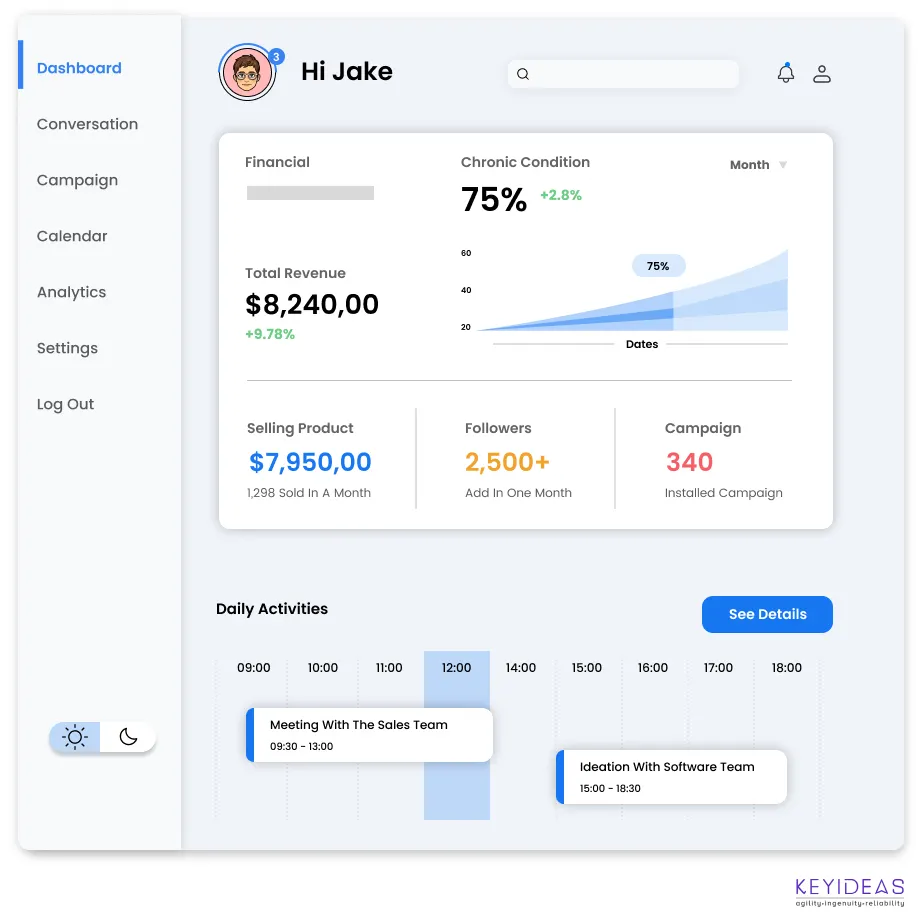
Admin Reporting Built for Operational Oversight
Magento 2 reporting is designed for businesses managing complex order flows, invoicing, and fulfilment logic rather than teams seeking fast, self-serve decision making.
-
Data-Rich but Developer-Dependent Reporting
Manufacturing firms, B2B distributors, and wholesale operators rely on Magento for detailed sales, tax, inventory, and order reports, but extracting actionable insights often requires custom configuration or technical support.
-
Multi-Region and Multi-Currency Complexity
Magento supports international pricing, taxation, and localisation, yet managing multiple storefronts and reporting views increases operational overhead as the business scales.
-
Business Intelligence That Requires Ongoing Maintenance
Advanced dashboards and data pipelines provide visibility into performance, but ongoing optimisation, integrations, and developer involvement are typically required to keep insights reliable and current.
Order Management Built for Operational Control
Magento 2 Development Prioritizes Process Control Over Speed
Magento 2 order management is designed for businesses handling large catalogs, structured fulfilment flows, and operational dependencies—not for fast-moving, experimentation-driven ecommerce teams.
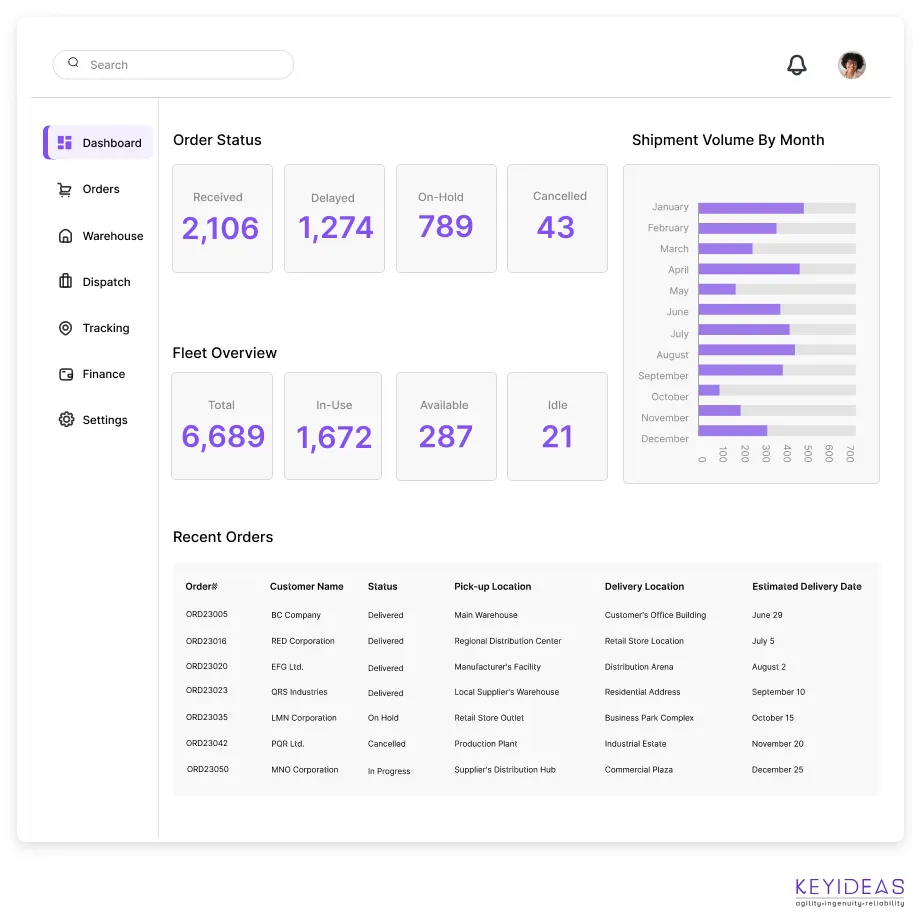
Order Fulfilment Designed for High Operational Load
Magento 2 is commonly adopted by manufacturing companies, wholesalers, and B2B distributors that manage large order volumes, negotiated pricing, and multi-warehouse fulfilment workflows.
-
Order Handling Built for Back-Office Efficiency
Operations teams rely on status-based, batch-level, and value-driven filters to manage fulfilment, favoring structured processes over real-time adaptability.
-
Insights Dependent on Admin and Technical Setup
Order and performance reports exist, but transforming data into actionable insights typically requires admin expertise, custom configuration, or developer support.
-
Rule-Driven Fulfilment Limits Iteration
Cart rules, quantity thresholds, and fulfilment logic are powerful yet rigid, making rapid experimentation, optimization, and process changes difficult for growth-focused teams.
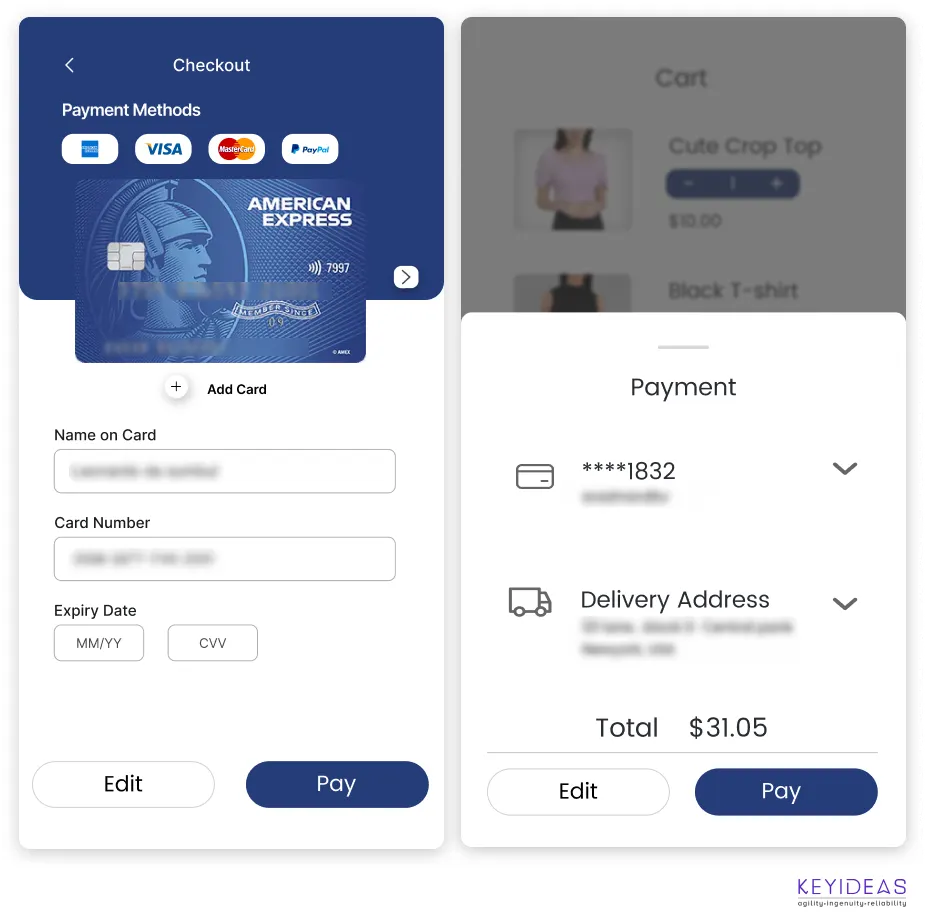
Payment Gateway Integration Built for Compliance, Not Agility
Magento 2 supports a wide range of payment methods, but configuring, maintaining, and evolving payment flows often requires technical oversight rather than quick business-led adjustments.
-
Extensive Payment Options With Configuration Overhead
Manufacturing suppliers, wholesalers, and B2B merchants rely on credit cards, purchase orders, invoices, and multiple payment gateways. However, enabling or modifying these options frequently involves extension management and developer involvement.
-
Security Managed Through Infrastructure Responsibility
SSL enforcement and compliance standards are supported, but merchants remain responsible for ongoing security updates, gateway compatibility, and platform-level maintenance.
Performance and Scalability Require Continuous Engineering
Magento 2 Performance Is Achieved Through Configuration, Not Defaults
Magento 2 can scale for complex businesses, but delivering fast, personalized experiences depends on ongoing optimization, infrastructure tuning, and development effort.
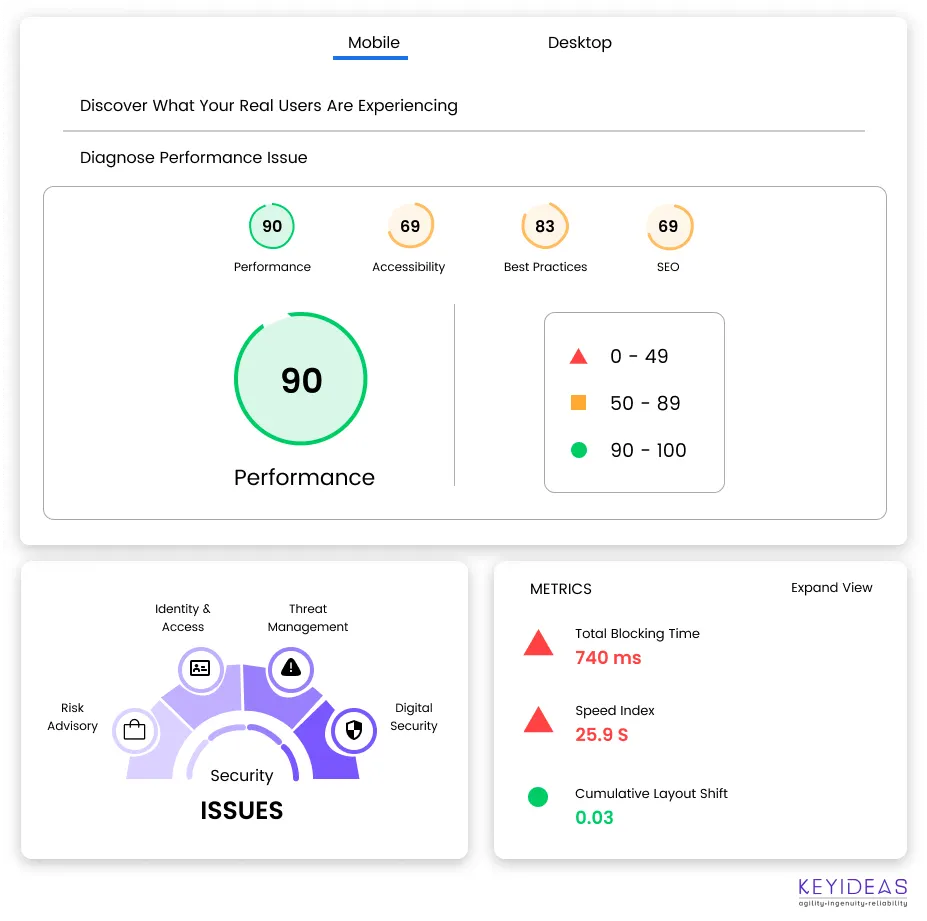
Performance Optimisation Driven by Engineering Effort
Magento 2 performance is not automatic. Speed, scalability, and stability are achieved through careful configuration, infrastructure management, and continuous technical oversight.
-
Theme and Front-End Performance Tuning
Custom themes must be optimized for speed and usability, often requiring refactoring, asset management, and developer-led performance audits.
-
Customization Increases Performance Responsibility
Extensive personalization across layouts, extensions, and catalog views introduces additional dependencies that must be monitored and optimized as traffic grows.
-
Global Content Delivery Requires Active Management
CDN integrations can improve load times, but caching, invalidation rules, and regional performance still depend on correct configuration and maintenance.
-
Security and Stability Depend on Ongoing Updates
Platform security relies on regular patches, permission management, and extension updates, adding long-term operational responsibility.

Scaling Magento 2 Requires Continuous Technical Ownership
Magento 2 is architected to support scale, but sustaining growth requires ongoing engineering involvement, infrastructure oversight, and long-term platform maintenance.
-
Cloud Infrastructure Managed by Internal Teams
Manufacturing, wholesale, and B2B businesses running Magento in cloud environments remain responsible for updates, deployments, monitoring, and rollback coordination.
-
Performance Stability Achieved Through Active Intervention
As traffic, catalogs, and integrations grow, maintaining consistent performance depends on caching strategies, database optimization, and developer-led tuning.
-
Platform Expansion Increases Long-Term Maintenance Load
New features are introduced through extensions and integrations that require ongoing evaluation, compatibility checks, security updates, and technical upkeep.
Why Many Businesses Are Moving Away From Magento 2 Development
-
Magento Centralizes Control — Shopify and WooCommerce Prioritize Speed
Magento’s architecture suits manufacturing, wholesale, and automotive businesses managing complex catalogs and rigid workflows. Shopify and WooCommerce, by contrast, are designed for faster storefront iteration, marketing agility, and business-led change.
-
Development-Driven Scaling vs Platform-Led Growth
Scaling Magento requires continuous engineering for indexing, database optimization, and integration stability. Shopify and WooCommerce shift this burden away from internal teams, allowing growth without constant development cycles.
-
Integrations as a Dependency vs Integrations as an Enabler
Magento relies on custom integrations to connect ERPs, marketplaces, and operational systems. Shopify and WooCommerce ecosystems emphasize plug-and-play extensibility with lower long-term maintenance overhead.
-
Backend Control vs Business Velocity
Magento offers deep backend customization at the cost of operational complexity and technical oversight. Shopify and WooCommerce are increasingly chosen by growing brands that value speed, autonomy, and faster go-to-market execution.

As a trusted agency, we pride ourselves on transforming ideas into exceptional digital experiences. Here's what our clients say about our impact on their business success
Stephanie T
Jewelry Store, Los Angeles
Oliver K
Shopify Store, Sydney
Robert Gardner
Fine Jewelry Store, London
Alicia Pollack
Diamond Jewelry Store, Melbourne
Benjamin H
Jewelry E-commerce, Chicago





Keyideas built a high-performance platform for our engagement rings using NodeJS and ReactJS. They implemented a Build Your Own Ring module with seamless diamond sourcing from RapNet. Within three months of launch, our online orders increased by 35%, generating an additional $50,000 in revenue. The precision and expertise they brought to the project were unmatched.
Keyideas transformed our Shopify store with their Build Your Own Ring app. Their powerful diamond feed center integrates live inventory with a markup module, allowing us to set markups by price or carat and compare vendor prices seamlessly. It? a game-changer for managing diamond feeds efficiently.
When we approached Keyideas, we needed a website that could handle our extensive collection of engagement rings, wedding rings & fine jewelry, including lab-grown and colored diamonds. They developed our platform using Laravel and integrated inventory from suppliers like VDB and Nivoda. The custom catalog view they implemented has reduced browsing time by 40%. Their expertise has transformed how customers shop with us.
Keyideas boosted our Shopify store with their Ring builder app, designed specifically for engagement rings. The tool allows customers to create their dream ring easily with an intuitive three-step process. With real-time inventory updates and dynamic pricing, we?e seen a very good growth in engagement ring sales. For any jeweler focused on customization, this app is a game-changer.
Keyideas transformed our e-commerce platform by migrating us from Magento 1 to Laravel using the Bagisto framework. Their expertise in Laravel, MySQL, and Vue.js resulted in a captivating and secure site that showcases our engagement rings and lab-grown diamonds beautifully. The integration of multi-currency support and an intuitive admin dashboard has streamlined operations significantly. We highly recommend Keyideas for their technical proficiency and dedication to excellence.
Top Shopify Development Companies
Top Web Development Agency
Top 1000 B2B Companies
Top 10 Web Development Company
Top ASP.NET Development Companies
Top Development Companies
Top Mobile App Developers in India
Top Software Developers in United States
Top E-commerce Development Companies
Top E-commerce Development Companies
Top B2B Providers in the Indian Tech Market
#1 Providers in the Indian Tech Market
Top Emerging Technologies
Top E-Commerce Development Company
Top Web Developers In India
Microsoft Solutions Partner
Top Custom Software Developers in Florida
Top Web Development Companies
Top Companies Globally
#1 Web Design Company in USA
Winner for ReactJS Services in USA
Winner for WordPress Services in USA
Winner for WordPress Services in USA
Top Shopify Development Companies
Top Web Development Agency
Top E-Commerce Development Companies
Microsoft Solutions Partner
Top Web Development Companies
Top Companies Globally
Top Web Developers in India
Top 1000 B2B Companies
Top 10 Web Development Companies
Top ASP.NET Development Companies
Top Mobile App Developers in India
Top B2B Providers in Indian Tech Market
#1 Providers in the Indian Tech Market
#1 Web Design Company in USA
Winner for ReactJS Services in USA
Top Development Companies
Top Software Developers in US
Top E-Commerce Development Companies
Top E-Commerce Development Company
Top Mobile AppDevelopment Agency
Top Custom Software Developers in Florida
FAQ About Magento 2 Development Decisions
“ They were all knowledgeable, professional, understanding and simply amazing to work with...”
Review from Clutch.co
UNMATCHED PROFESSIONALISM, TAILORED FOR SUCCESS
“Manage the project smoothly, while ensuring all team members are highly skilled.”
Review from Goodfirms.co
25% FASTER PROJECT COMPLETIONS WITH HIGHLY SKILLED TEAMS
“What set them apart was their patience and ability to deal with our non-technical team.”
Review from Goodfirms.co
SIMPLIFYING PROCESSES FOR SEAMLESS TEAMWORK
“ Great experience working with them. Would definitely recommend 10/10.”
Review from Crowdreviews.com
DELIVERING EXCEPTIONAL EXPERIENCES EVERY TIME
